Why “Sustainable Packaging” Often Fails in Practice
March 19, 2026

Many packaging decisions are made with the right intention: reduce environmental impact.
But in practice, those decisions don’t always deliver the expected results.
In some cases, they do the opposite.
The issue isn’t a lack of effort. It’s where the focus sits.

The common mistake: focusing on the material alone
A large part of the sustainability conversation is centred around material choice.Switching from plastic to paper.
Moving to recyclable films. Choosing compostable options.
All valid decisions. But they don’t guarantee a better outcome.
Because packaging doesn’t operate in isolation especially in flexible formats like mailer bags, pouches, and carry bags.

What happens after dispatch
Once a product leaves the warehouse, real-world conditions test packaging immediatelys:
• Friction and tearing during handling
• Pressure and shifting during transport
• Exposure to moisture and temperature changes
• Last-mile delivery stress
For flexible packaging, this is where performance breaks or holds.
If a mailer bag tears or a pouch seal fails:
• The product is exposed
• Returns increase
• Replacement shipments double the footprint
• Waste increases across the system
At that point, the environmental impact is no longer just about the packaging material.

Where sustainability decisions break down
Some packaging formats appear sustainable at first glance but introduce hidden trade-offs:
• Thinner materials that reduce weight but increase failure rates
• Paper-based mailers that lack durability in transit
• Multi-layer pouches that are technically recyclable but not processed in reality
Without considering performance, these choices often create more waste.
A more effective way to approach packaging
Instead of starting with the material, leading brands are shifting towards performance-first thinking. For flexible packaging, this means:
• Designing stronger mailer structures to prevent tearing
• Ensuring seal integrity in pouches
• Selecting materials suited to real transport conditions
• Balancing recyclability with durability
This approach doesn’t ignore sustainability, it makes it practical.

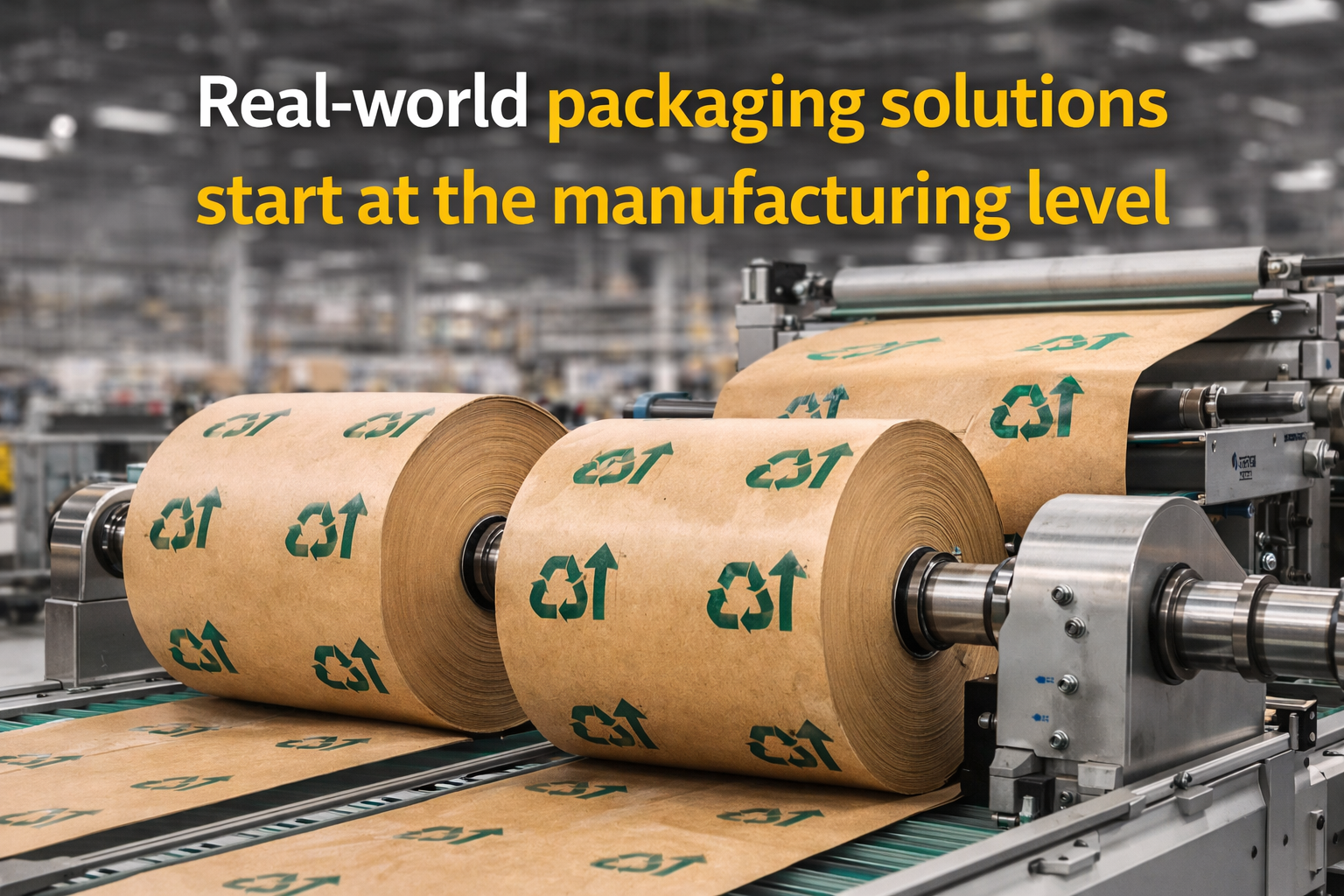
The role of manufacturers
Manufacturers play a critical role in getting this right.
With flexible packaging, small changes in structure, thickness, or sealing can significantly impact performance.
Understanding how materials behave in real-world conditions is just as important as their sustainability claims.
The goal is not just to reduce material usage but to reduce failures, returns, and overall waste.
Sustainable packaging is not defined by a single choice.
It is defined by how well everything works together from material selection and design to transport, delivery, and disposal.
For mailer bags, pouches, and carry bags, performance isn’t optional.
It’s the difference between reducing waste and creating more of it.